 Prosaic Intelligence
Independent safety evaluations for consumer AI.
Our why
On September 12, 2026, Anthropic’s CEO Dario Amodei called on every frontier lab to give embedded third-party evaluators privileged access to its models to ensure their safety throughout development and deployment.1 OpenAI’s CEO Sam Altman made the same commitment.2 And on September 29, Anthropic, OpenAI, Google, Meta, xAI and Nvidia signed a White House pledge to partner with independent external auditors. So who will those auditors be?3
Most of the time when labs and researchers talk about AI safety, they are really referring to existential risk—loss of control, recursive self-improving systems, cyberattacks, bioweapons. Those risks are very real. However, 99% of OpenAI’s 1 billion weekly users4 are consumers, and AI is already causing harm in their everyday lives.
Models hacking Hugging Face5 raises the prospect of catastrophic harm, but no one was hurt in that incident. For consumers, harm is being done. Families allege in court that chatbots contributed to the suicides of teenagers, among them Sewell Setzer III, 14,6 Adam Raine, 16,7 and Amaurie Lacey, 17.12 A lawsuit alleges ChatGPT helped the gunman at Florida State University decide when and where to attack.8 An investigation found the Tumbler Ridge school shooter used ChatGPT for eight months, during which ChatGPT helped select their gun.9
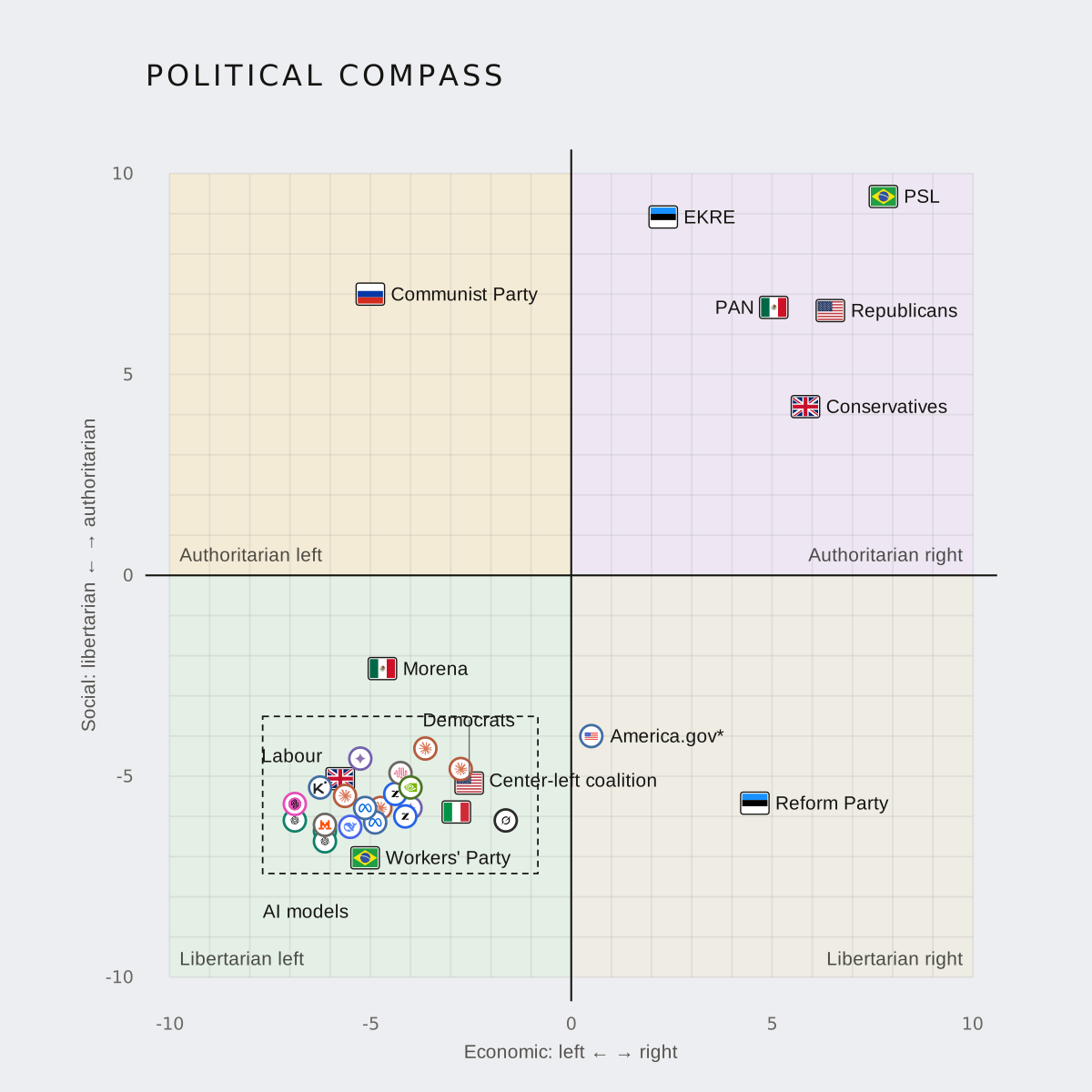
The harm extends beyond individual cases. There is a whole slew of macro-level failures—bias, sycophancy and misinformation—that, repeated across billions of interactions, can shape what an entire society believes and decides.
Regulators aren’t waiting for the labs to make good on their promises. On September 9 and 10, California set standards and a state registry for independent AI auditors,10 and, with SB 1119, Adam’s Law, became the first state to require companion-chatbot companies to conduct independent child-safety audits.11
Prosaic Intelligence is the first independent evaluator focused on consumer AI safety. We work to protect individuals from harm and society from bias at scale. We evaluate frontier models for harmful behavior and work directly with labs and application-layer companies to identify and mitigate consumer risks. We build bespoke evaluations, benchmarks and datasets to improve model safety. Through the AI Safety Index, we make independent safety findings publicly accessible so consumers can compare models.
We exist because technological shortcomings should not be discovered through personal tragedy.